Travel to junagadh gir and best places of junagadh
Junagadh is a city located in the Indian state of Gujarat, and it is home to the famous Gir National Park and Wildlife Sanctuary, which is the only natural habitat of Asiatic lions in the world. Here are some ways to travel to Junagadh and Gir:

By Air: The nearest airport to Junagadh is the Keshod Airport, which is about 40 km away. However, this airport has limited connectivity, and the better option is to fly to Rajkot Airport, which is about 110 km away from Junagadh. From there, you can hire a taxi or take a bus to reach Junagadh and Gir.
By Rail: Junagadh has a railway station that is well-connected to major cities in Gujarat and India. There are several trains that run daily to and from Junagadh. From the railway station, you can hire a taxi or take a bus to reach Gir National Park.
By Road: Junagadh is well-connected to major cities in Gujarat and neighboring states by road. There are several state-run and private buses that run between Junagadh and major cities like Ahmedabad, Rajkot, and Jamnagar. You can also hire a taxi or drive your own vehicle to reach Junagadh and Gir.
Once you reach Junagadh, you can hire a taxi or take a bus to reach Gir National Park, which is about 40 km away. The park is open from October to June, and the best time to visit is from December to March when the weather is pleasant and the chances of spotting lions are high. Make sure to book your accommodation and safari in advance as they can get booked quickly during peak season.
Junagadh is a beautiful city that has a rich history and culture. Here are some of the best places to visit in Junagadh:
Gir National Park: Gir National Park and Wildlife Sanctuary is one of the most popular tourist attractions in Junagadh. It is the only place in the world where you can see Asiatic lions in their natural habitat. The park is also home to several other species of animals and birds.
Uparkot Fort: Uparkot Fort is an ancient fort located in the heart of Junagadh. It was built in the 4th century BC and is one of the oldest forts in India. The fort has several temples, tanks, and tunnels, and it offers a great view of the city.
Mahabat Maqbara: Mahabat Maqbara is a magnificent mausoleum located in Junagadh. It was built in the 19th century and is known for its beautiful architecture and intricate carvings.
Junagadh Museum: Junagadh Museum is a great place to learn about the history and culture of the city. It has a vast collection of artifacts, paintings, and sculptures that date back to ancient times.
Sakkarbaug Zoological Garden: Sakkarbaug Zoological Garden is a zoo located in Junagadh. It is home to several species of animals, birds, and reptiles, and it offers a great opportunity to observe wildlife up close.
Girnar Hill: Girnar Hill is a sacred hill located near Junagadh. It is home to several temples and is a popular destination for pilgrims. The hill also offers a great view of the surrounding area.
These are just some of the best places to visit in Junagadh. The city has several other attractions, including temples, gardens, and monuments, that are worth exploring.
Gir visit time
The best time to visit Gir National Park to see lions is from December to March. During this time, the weather is pleasant, and the chances of spotting lions are high. The park remains closed from June to October during the monsoon season. The park reopens in October, but the chances of spotting lions are relatively low during this time as the vegetation is dense, and the animals are difficult to spot.
It's important to note that the park has a limited number of entry permits, and they get booked quickly, especially during the peak season. It's best to book your permits in advance to avoid disappointment. You can book your permits online through the Gujarat Forest Department website or through a travel agent.
To see the lions, you have to go on a safari. The park offers both jeep safaris and walking safaris. The jeep safaris are more popular as they cover a larger area and increase the chances of spotting lions. Walking safaris are only allowed in certain areas of the park and are conducted by trained guides.
Overall, visiting Gir National Park is a once-in-a-lifetime experience, and seeing lions in their natural habitat is truly awe-inspiring.
Girnar hills History
Girnar Hill is a group of hills located near Junagadh in Gujarat, India. It is a sacred pilgrimage site for Hindus, Jains, and Buddhists, and it is believed to have been a center of spiritual and cultural activities since ancient times. Here are some more details about Girnar Hill:

Height: The highest peak of Girnar Hill is called Amba Mata, which is 1,147 meters (3,763 feet) high. There are several other peaks on the hill, including Gorakhnath, Guru Dattatreya, and Kalika.
Religious Significance: Girnar Hill is considered a sacred site by Hindus, Jains, and Buddhists. It is home to several temples and shrines that date back to ancient times. The most famous temple on the hill is the Girnar Jain Temple, which is dedicated to the 22nd Tirthankara, Lord Neminatha. The temple is a significant pilgrimage site for Jains.
Trekking: Girnar Hill is a popular destination for trekkers and adventure enthusiasts. The trek to the top of the hill is challenging, and it takes around 5-6 hours to reach the peak. However, the trek offers stunning views of the surrounding landscape, and it is a great way to explore the hill.
Wildlife: Girnar Hill is home to several species of wildlife, including leopards, hyenas, jackals, and wild boars. The hill is also home to several species of birds, including vultures, eagles, and owls.
Festivals: Several festivals and fairs are celebrated on Girnar Hill throughout the year. The most famous festival is the Maha Shivratri festival, which is celebrated in February or March. During the festival, thousands of devotees climb the hill to offer prayers at the Shiva temple on the hill.
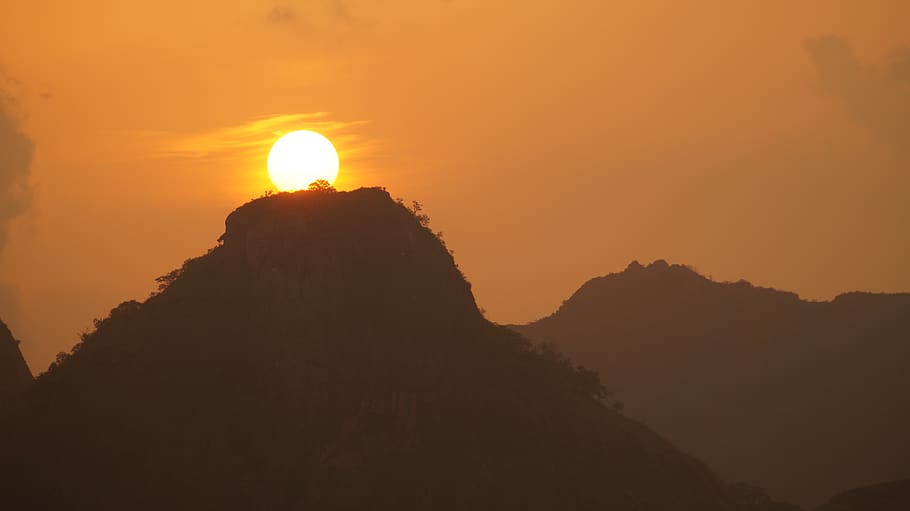
Overall, Girnar Hill is a fascinating place to visit, and it offers a unique combination of spirituality, adventure, and wildlife. It is a must-visit destination for anyone traveling to Junagadh.
story of uparkot fort
Uparkot Fort is an ancient fort located in the heart of Junagadh, Gujarat, India. The fort has a rich history that dates back to the 4th century BC when it was built by Chandragupta Maurya. The fort has undergone several renovations and additions over the years and has played an essential role in the history of Junagadh. Here's the story of Uparkot Fort:
Legend has it that the fort was built by the Yadava dynasty, who ruled the region in the 10th century. The fort was initially built to protect the city from invasions and was a crucial military stronghold. Over the years, the fort has witnessed several battles and has been the center of many political upheavals.
During the reign of the Mauryan empire, Uparkot Fort was known as Yonagadh, which means "city of the Greeks." The fort was an important center of trade and commerce and was a melting pot of different cultures and religions.
In the 7th century, the fort was conquered by the Chudasama dynasty, who ruled the region for several centuries. During their reign, the fort underwent significant renovations and additions, and many temples and tanks were built within the fort walls.
In the 15th century, the fort was conquered by the Sultan of Gujarat, who added several palaces and mosques to the fort. During this time, the fort was also used as a center of Islamic learning and scholarship.
In the 16th century, the fort was conquered by the Mughal emperor Akbar, who used the fort as a military base. During his reign, several gardens and fountains were added to the fort.
Today, Uparkot Fort is a popular tourist destination and is known for its rich history and architecture. The fort has several temples, tanks, and tunnels, and it offers a great view of the city. It is a testament to the rich and diverse history of Junagadh and is a must-visit destination for anyone interested in history and culture.
Story of Sakkarbaug Zoological Garden
Sakkarbaug Zoological Garden is a popular zoo located in Junagadh, Gujarat, India. The zoo has a rich history that dates back to the 18th century when it was established by the Nawab of Junagadh, Mahabat Khan III. Here's the story of Sakkarbaug Zoological Garden:
The history of the zoo can be traced back to the early 18th century when the Nawabs of Junagadh started keeping exotic animals as a status symbol. However, it was in 1863 when the zoo was officially established as a public zoo. The zoo was named after the nearby Sakkarbaug Palace, which was the summer residence of the Nawabs.
The zoo was initially established as a private collection of animals, and it was only open to the Nawab's guests. However, in 1863, the zoo was opened to the public, and it became one of the first zoos in India. The zoo was home to several exotic animals, including lions, tigers, leopards, bears, and elephants.
Over the years, the zoo underwent several renovations and upgrades, and many new animals were added to the collection. In the 1980s, the zoo was expanded, and several new enclosures were built. The zoo was also renamed as Sakkarbaug Zoological Garden.
Today, the zoo is home to several species of animals, including lions, tigers, leopards, elephants, and several species of birds and reptiles. The zoo also has a breeding program for lions and leopards, and it is one of the few zoos in India to have successfully bred Asiatic lions.
Sakkarbaug Zoological Garden is a popular tourist destination and is known for its rich history and diverse collection of animals. The zoo also plays an essential role in conservation efforts, and it is involved in several breeding programs for endangered species. It is a must-visit destination for anyone traveling to Junagadh.
Comments
Post a Comment